
Aurora State Airport
Aurora, Oregon
(541) 407-5252
fly@sunbreakair.com
Ready to start flight training? Check out our Flight Training page.
Schedule your Discovery Flight today! Call us at (541) 407-5252 or email fly@sunbreakair.com!
The Pilot Journey
People of all ages, and from all backgrounds, decide to become pilots. They do this for a variety of reasons.
One of the most basic reasons is because flying skills can be used to land a job — or even better, shape a career. Any airline pilot with experience and seniority can expect to make a good living.
Other flying jobs may be less lucrative, but they are nonetheless filled by pilots who are looking to build hours, fly part-time, or dedicate themselves to flight instruction.
For those who fly without earning income, aviation has its own rewards. Being a pilot can lead to aircraft ownership, collecting skills and experiences, and becoming part of a community.
A pilot's journey can lead to many places. However, they all start with initial flight training — typically a Private Pilot Certificate — as a foundation for the future.
Here's a look at some pilot journeys, and what you can expect if you think you might follow a similar path.
Airline Pilots
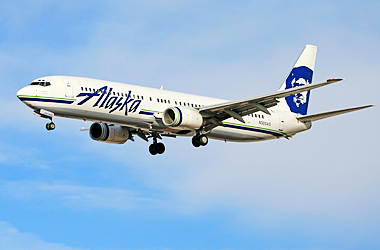
Future pilots often select an airline career when they are very young. Sometimes it's because a family member flies for an airline. Just as often, they figure it out on their own.
However, getting started on an airline career isn't simple and requires some strategy. Airlines develop many of their future pilots with pilot academies and pilot development programs. This is different from how hiring was done in years past, and there's no reason to believe that the airlines' approach to recruiting talent won't continue to evolve.
Most future airline pilots complete their initial training before they have started any other type of career. Many attend aviation colleges and universities, which can confer some advantages. Each will obtain an Instrument Rating and a Commercial Certificate. Then it's time to come up with a plan to build flight hours — working as a Certified Flight Instructor (CFI) or at another flying job.
New hires will start as First Officers (FO). This requires an Airline Transport Pilot (ATP) certificate, along with a type rating in the assigned airframe. One or both of these can be earned in the airline's training program. An ATP requires a minimum of 1,500 flight hours (with 500 cross-country hours), but a restricted ATP certificate can be obtained by attending an aviation college, which will reduce the total hours needed to act as an FO.
Student pilots who are about to begin flight training with an airline career in mind should get a First Class Medical Certificate to confirm that they do not have any disqualifying health conditions.
If you or a family member is interested in becoming an airline pilot, you can set up time for us to consult you on that training path. You also should consult with any other knowledgable authority if you think they can help you understand what you need for your training foundation.
Cargo, Corporate, and Commercial Pilots
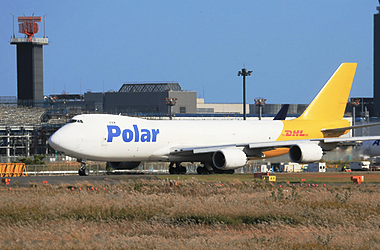
Airline pilots aren't the only ones who fly large jets. Cargo pilots with the major carriers fly aircraft that are larger than the average passenger airliner. Cargo pilots might fly domestically, internationally, or both.
The path to becoming a cargo pilot for a major carrier requires an ATP certificate. However, unlike the airlines, cargo carriers don't operate flight academies or pilot development programs.
A typical career path for cargo pilots is to earn the Private and Commercial Certificates, along with an Instrument Rating. They then can apply for jobs flying smaller aircraft on feeder routes from regional airports to large cargo terminals. This earns money while building hours and experience, which can lead more opportunities. Just be aware that the most lucrative job openings with the major carriers have a lot of qualified applicants.
Corporate pilots can expect to fly several different types of aircraft. This can include private jets like Gulfstreams and Citations. It also might include twin-turboprop airplanes like a King Air. Corporate pilots need flexible schedules since they may be staying at their destination overnight, or even longer. Flying for a time-sharing fleet such as NetJets or FlexJets will provide a variety of passengers, all with their own expectations, so don't be surprised if you are expected to carry someone's bag.
Corporate pilots need type ratings for most of the aircraft that they fly. As with all aviation jobs, flying corporate provides flight hours and experience. Some pilots may want to stay in their corporate role, while others may leverage their experience to seek out other opportunities.
Finally, flying in support of agriculture, aerial inspection, surveying, and similar industries requires a Commercial Pilot Certificate. Because only a limited amount of additional training may be required, these jobs appeal to pilots who are looking to build experience while earning an income. Flight hours in the logbook are always valuable to pilots who are developing their careers.
Military Pilots
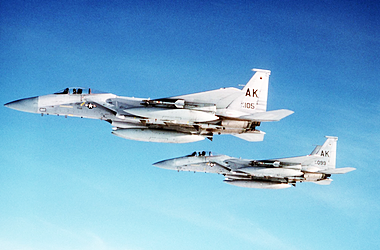
Thanks to movies, TV, and video games, it's easy for a lot of ambitious young people to select military aviation as a career. For those who are able to get through the pilot training and earn a seat assignment, both the challenges and the rewards are immense.
With few exceptions, U.S. military pilots are officers, not enlisted personnel. This means that military pilots must graduate from a federal service academy or complete an ROTC program as part of their college education.
Note that the majority of military pilots are not "Top Gun" Mavericks flying advanced fighter aircraft. The military has many different kinds of aircraft, each suited to a different task. Tactical fighters and bombers are only part of the equation. Helicopters play a critical role. A lot of military flight activity is dedicated to moving cargo. Other military aircraft are used for in-flight refueling.
The medical standards for military pilots are stricter than those for civilian pilots. For example, the U.S. Air Force requires vision no worse than 20/70, corrected to 20/20, and normal color vision. Corrective eye surgery can be disqualifying, as can hay fever, asthma, and allergies. Pilots also must meet weight and conditioning standards.
If you hope to be a military aviator, flight experience will benefit you before you are commissioned or join a service academy. Competition for flying slots can be intense, and having Private Pilot Certificate — or even a logbook with flight hours — can improve your chances of earning a seat.
Flight Instructors
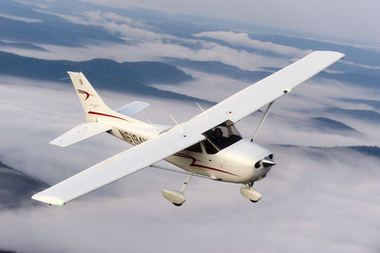
For some pilots, acting as a Certified Flight Instructor (CFI) is a stepping stone to a career role, often as an airline or corporate pilot. If you are building hours with a CFI who is on the way up, you can expect to spend time with someone who has selected aviation as a career and loves it. You will benefit from their knowledge, energy, and enthusiasm.
You may meet CFIs who seem to be in a more senior category. They've been flying for decades. They might instruct on their days off. Perhaps they're retired and they have committed themselves to teaching others. These CFIs bring an enormous amount of experience to flight instruction — and a few good stories to share.
If you are planning to become a CFI, you should know that it's only a full-time job in regions that have full-time flying weather and a lot of training activity — for example, Arizona and Florida. In colder and wetter climates, it's part-time work, with plenty of days off when the weather doesn't want to cooperate.
To work as a flight instructor, you will need a Commercial Pilot Certificate with an Instrument Rating. You also will have to earn a Certified Flight Instructor Certificate, which includes two knowledge exams and a flight test. You must prove to the FAA that you are both an expert pilot and a qualified teacher. Pilots who do not enjoy helping other people learn how to fly won't enjoy being instructors. For those who do, teaching becomes the most rewarding thing in aviation.
Aircraft Owners
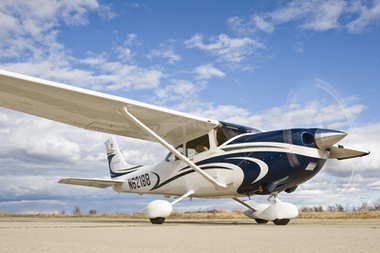
Many pilots start their flight training with the explicit goal of owning an airplane. Perhaps someone in their family owned an airplane when they were young, and flying with them is a fond memory. They might be engineers or born tinkerers who are fascinated by the airplane's mechanical complexity. Or they simply might want the flying flexibility that comes with aircraft ownership: No rentals and no hassles. Just the freedom to go anywhere when the calendar is open and the weather is good.
Pilots who know what type aircraft they would like to own should locate a flight school with a similar aircraft and conduct their primary training in that platform. This will make the transition to aircraft ownership much smoother. The pilot also will have a baseline of experience when evaluating aircraft for sale during a test flight.
For pilots who want to own but aren't sure which type of plane they want (Cessna vs. Piper, for example), getting some initial experience in two more more platforms during flight training will help them make a decision.
And if a pilot thinks that they will want a good cross-country airplane for flight in variable weather, he or she will want to consider buying an aircraft that is certified to operate under Instrument Flight Rules (IFR) — or at least one that can be upgraded for IFR flight operations.
On occasion, student pilots will buy their own airplanes before they start training, or at some point during their training experience. Economically, this can make sense, since the training pilot no longer is renting from a flight school. However, the training pilot will need to find an instructor who is willing and available to teach in a personal airplane. The insurance company also will need to be notified that the airplane is being used for flight instruction.
Pilots who own personal airplanes can expect to learn a lot about ownership — storage, maintenance, insurance, and fuel are the major expenses. The pilot also is responsible for keeping the airplane's logbooks up to date. He or she will do some of the preventive maintenance that's legally permitted to be done by pilots. And most also develop a close working relationship with their Airframe & Powerplant (A&P) mechanic and can participate in some maintenance and repair tasks.
Achievement Builders
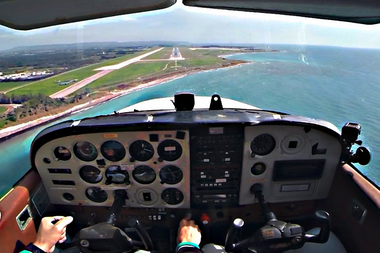
Earning a Private Pilot Certificate doesn't have to mean the end of flight training. For many pilots, it's just the beginning.
Those who enjoy the challenge of continuous training often go directly from Private Pilot to initial work on the Instrument Rating. Once earned, this valuable credential allows pilots in appropriately rated aircraft to operate in variable weather conditions, such as within and through cloud layers.
The Commercial Pilot Certificate revisits a lot of areas that were covered during Private Pilot training, but with advanced maneuvers and extensive cross-country flying. Pilots training for the Commercial ticket also will learn how to operate advanced aircraft by earning High-Performance and Complex Endorsements.
The Multi-Engine Rating permits pilots to operate aircraft with more than one engine. Pilots on a professional training track will get this rating, while some non-professional pilots will earn it because they plan to buy a multi-engine aircraft, or simply because they want the training challenge.
It doesn't stop there. Operating helicopters, seaplanes, and gliders require additional ratings. Flying a tailwheel aircraft requires a specific endorsement. And flying aircraft that can operate at higher altitudes also requires an endorsement.
If you're the sort of person who is always looking for new challenges, who never wants to stop learning, then you might be one of the achievement builders. You'll gain a vast amount of aviation knowledge to share with others.
Skilled Enthusiasts
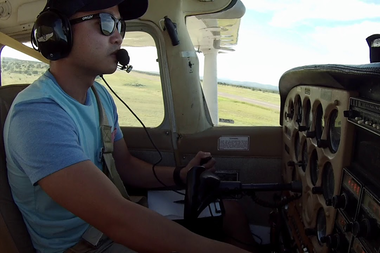
Most pilots aren't aircraft owners — they're renters. They maintain their currency with flight reviews and landing practice. They're in the social mix at their local airport. They love to take friends and family on scenic flights and hamburger runs.
Skilled enthusiasts are the heart and soul of General Aviation. They might be described as "weekend pilots," and that's not entirely wrong — except they'll fly on a weekday if they can get the time away from work and other obligations.
You can finds these pilots at air shows, airport barbecues, and FAA safety events. Most of them enjoy making connections with their fellow pilots.
Skilled enthusiasts might travel to different parts of the country, and even internationally, in order to log some time in a new airplane, over a new landscape. They enjoy the routine and order of being at home, but they also thrive on new experiences.
They also enjoy taking passengers. If you're thinking about becoming a pilot, this person is a good friend to have.
And when they think about the next generation of pilots, they often look to their own children. It's one of the reasons why they want to set an example as safe, skilled aviators.
And Now You…
Don't be surprised if you see yourself as two, three, or even more of the categories outlined above. Maybe you are thinking of a completely different category, even one that is limited to just you. That's perfectly OK. Everyone's pilot journey is unique.
At Sunbreak Aviation, our training solutions are backed by 25 years of aviation experience. If you are thinking about becoming a pilot, feel free to contact us and schedule a 100% free, no-obligation one-hour consultation. We'd love to meet you and talk about what you want to do. We can help you figure out what your path might be, along with a few first steps that don't have to cost a lot of money.
You might start in a ground school… or in a flight simulator… or in an airplane building flight hours. Or any combination. Everyone is different. You need the right training path for you.
If you think you're ready for flight training, you can click here to keep reading…